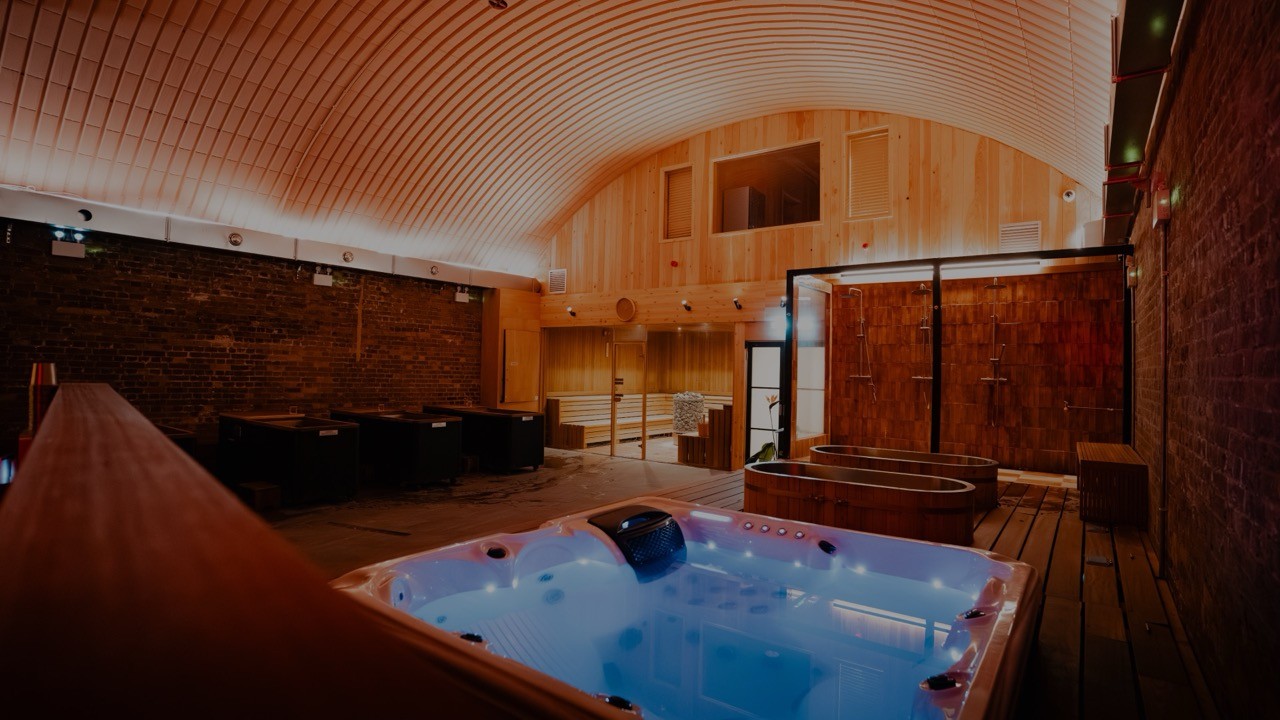
The wellness revolution is centred around the individuality of everyone’s experience, and sauna practices are no different. People sauna for different reasons. For some, it is part of their training routine. For others, it is one of the few moments in the day where there is nowhere else to be, nothing to reply to, and very little to do other than sit, breathe and let the heat do its thing.
Sauna has been used as part of wellbeing rituals for generations, particularly across Nordic cultures, but its appeal today goes far beyond tradition. People use saunas to recover after exercise, unwind after work, spend time with friends, create space away from screens, or simply because of how they feel when they step back out.
What happens to your body in a sauna?
When you enter a sauna, your body immediately begins responding to the heat.
As your skin temperature rises, blood vessels widen, a process known as vasodilation, which increases blood flow towards the skin. Your heart rate rises as your cardiovascular system works to regulate your temperature, while sweating helps your body release heat.
In many ways, sauna creates a temporary cardiovascular stress response. Research has shown that sauna exposure can increase heart rate and reduce vascular resistance, with blood pressure often falling afterwards. Regular sauna use has also been associated in observational studies with improved cardiovascular outcomes, although these longer-term findings should not be interpreted as proof that sauna alone causes those benefits.
That combination of warmth, circulation and stillness helps explain why many people step out of a sauna feeling noticeably different from when they went in.
What are the benefits of sauna?
Not every benefit of sauna needs to be measured. One of the simplest reasons people return to sauna is that it creates an environment where doing very little is actively encouraged.
No phone. No emails. No moving between meetings. Just heat, breathing and ‘me time’.
That change of pace can be particularly valuable in a city like London, where most of the day is spent surrounded by noise. It is also why sauna has traditionally been as much a social and cultural ritual as a physical one. Sometimes the value is simply having a place where your mind has permission to slow down.


What is a Himalayan salt sauna?
One of the saunas at WellNest is lined with Himalayan salt, creating a warmer, softer environment visually than a conventional sauna. The colour, texture and warm glow of the salt creates a calm, almost cave-like environment that changes the feeling of the sauna completely. Combined with the heat itself, it creates a space that naturally feels quieter and more immersive.
And sometimes, that is the benefit that matters most.
How long should you stay in a sauna?
There is no prize for staying in longer. A typical sauna session may last around 10-15 minutes, although this will depend on the temperature, your experience and how you feel on the day. If you are new to sauna, start shorter.
Hydrate before and afterwards, take breaks when you need them, and listen to your body rather than the clock. If you feel dizzy, faint, nauseous or unwell, step out and cool down.
People with certain medical conditions, people who are pregnant, or anyone unsure whether a sauna is appropriate for them should speak with a healthcare professional first.
How often should you sauna?
There is no single number that everyone needs to aim for. Some people sauna occasionally as part of a recovery day. Others build it into their week several times.
Long-term observational research often looks at people using saunas multiple times per week, but the right frequency comes down to your routine, tolerance and what you enjoy.
Consistency tends to matter more than forcing yourself to hit a particular number.
Sauna at WellNest London Bridge
At WellNest, the sauna sits at the heart of our recovery space. You can use the space at your own pace, moving between our saunas, ice baths and recovery facilities, or join one of our guided experiences if you would prefer someone else to lead the session.
Whether you are coming after training, after work, or simply because you need an hour away from everything else, there does not need to be a complicated reason.
More Insights